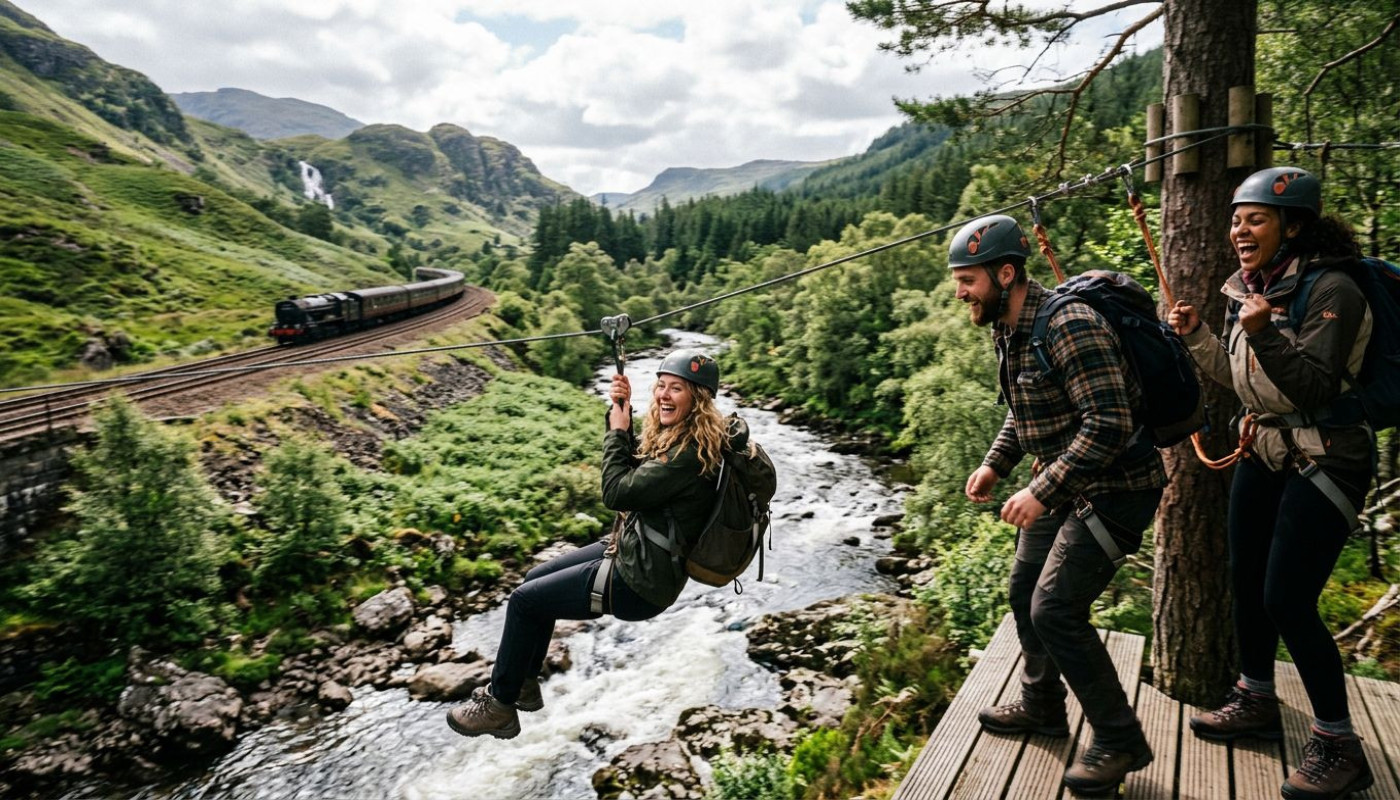
Table of contents
Why do some trips stick in the mind while others blur into a string of check-ins and photos? In 2024, tourism is breaking records again, with international arrivals returning to pre-pandemic levels, and travelers increasingly spending on “experiences” rather than objects; yet the most memorable moments are often the ones that hijack an ordinary day and turn it into a story. From city streets to train platforms, a handful of activities can shift the mood, sharpen attention, and make a simple journey feel unexpectedly alive.
A city breaks open after dark
Walk the same streets at night and the place changes, the soundscape thins, storefront light replaces daylight glare, and you start noticing details you missed at noon. That simple shift has become a major driver of modern travel: the night-time economy is not just bars and clubs, it is museums opening late, food markets that peak after sunset, guided walks built around local history, and live performance spilling into public squares. The appeal is not niche, it is mainstream, and the numbers explain why; in 2024, global tourism volumes recovered to around 2019 levels, and cities have leaned heavily on evening programming to spread visitor flows and keep spending in town once day-trippers leave.
For the traveler, night activities work because they compress intensity, you are no longer “seeing” a destination, you are participating in its rhythm. A late opening at a gallery can turn a routine itinerary into an encounter, especially when curators and artists are present and the crowd is thinner than during the day. Evening food tours also do something a guidebook rarely can: they translate taste into context, tying a dish to a neighborhood, a migration story, or an economic shift, and you walk away remembering people, not just plates. And if you want the kind of night that forces everyone in a group to collaborate, talk, and laugh, then a live, narrative-driven activity such as an urban escape game can be a surprisingly powerful reset, because you stop consuming the city and start reading it like a map full of clues, for those looking at Sofia in particular, a structured experience like https://www.sofia-escape.com can turn an evening stroll into a mission with pace, stakes, and a clear finish line.
Food is the fastest local language
You can spend three days in a destination and still feel like an observer, or you can sit down for one meal and suddenly understand what matters. Food has always been travel’s most democratic thrill, but it has evolved fast in recent years, shaped by social media, by “street food” becoming a global brand, and by travelers paying more attention to provenance and authenticity. The industry has followed: culinary tourism has become a serious segment, with destinations marketing markets, regional specialties, and chef collaborations as core attractions, and the spending is real; international tourism receipts climbed back strongly as arrivals recovered, and experiences that combine eating with storytelling are among the easiest ways for cities to extend a visitor’s stay and budget.
The trick is to choose activities that reduce friction and increase meaning. A guided market visit can demystify what you are looking at, why one cheese costs double another, why a spice mix signals a particular region, and how local shopping habits reveal daily life far better than monuments do. Cooking classes can do the same, but the best ones do not feel like a staged performance; they teach technique, yes, but also explain why families cook the way they do, what changes with seasons, and which ingredients are tied to scarcity or celebration. If you are traveling on a tight schedule, a targeted tasting route is often more effective than a long, sit-down dinner, because it turns the city into a sequence of small, high-signal moments, and it leaves you with a mental map you can use later, when you wander without a guide and still know what to look for.
Games turn strangers into teammates
There is a reason team-based activities are booming, even among adults who insist they “don’t do games”. Travel creates a social challenge: you might be with friends but out of your usual roles, you might be with family where everyone wants something different, or you might be solo and looking for structured interaction that does not require forced small talk. A game solves that, it gives people a common objective, an agreed set of rules, and permission to be playful, and suddenly the city becomes a stage where everyone contributes. That is not just a nice idea; the broader “experience economy” has been one of the clearest post-pandemic patterns, and as tourism volumes normalize, travelers keep prioritizing memorable, shareable moments over passive sightseeing.
The best travel games also do something subtler: they sharpen attention. When you hunt for details, interpret symbols, or race a clock, your brain encodes the environment differently, and the memory sticks. This is why escape rooms and outdoor puzzle trails have spread far beyond their early fan base, and why cities from Barcelona to Budapest have folded interactive routes into their visitor offer. For ordinary journeys, they work particularly well in the “dead zones” of travel, the hours between arrival and dinner, the rainy afternoon when museums feel overcrowded, or the last evening when people are restless and indecisive. Add a narrative hook, a sense of discovery, and a clear endpoint, and the activity becomes a highlight that anchors the rest of the trip around it.
Micro-adventures beat big detours
Not every thrill requires a dramatic plan, sometimes the most effective upgrade is a small, deliberate deviation. The micro-adventure trend has grown because it fits the way people actually travel now: shorter breaks, more frequent trips, and an appetite for novelty without the cost of long-haul add-ons. It can be as simple as taking a sunrise walk to a viewpoint, joining a one-hour workshop, cycling a river path instead of taking the metro, or booking a short guided experience that turns a neighborhood into a story. These choices matter because they change the texture of a day, and they often cost less than the “must-do” attractions that concentrate crowds and inflate prices.
Micro-adventures also help with the biggest complaint about modern travel: destinations can start to feel interchangeable. Airports look the same, chain stores repeat, and even landmark itineraries get standardized by algorithms. A small, local activity breaks that pattern, especially when it is tied to a place’s quirks, its slang, its hidden courtyards, or its everyday routines. Practicality is part of the appeal, too; you can schedule a micro-adventure around real constraints like train times, children’s energy levels, or a limited budget, and still come away feeling you did something distinctive. If you are traveling in a group, the micro format reduces risk, nobody feels trapped in a long commitment, and the payoff arrives quickly, which is exactly what you want when you are trying to transform an ordinary journey into something that lingers.
How to book smarter, spend less
Build your day around one paid highlight, then layer free thrills around it, such as viewpoints, parks, or self-guided street walks. Book peak-time activities early, especially on weekends and during school holidays, and set a clear per-person budget before you arrive. Check city cards and local museum late-night slots; in many destinations, discounts and free-entry windows still exist, if you plan for them.
Similar
Should You Trust Locals For Activity Tips? A Traveler’s Debate
Unpacking The Real Value Of Offbeat Activities Abroad

Nice airport transfer : book your trip 24/24 with Luxotica

Exploring The Benefits Of Choosing Luxury Private Transportation Services

Unraveling the Mystery of Ghost Towns: A Unique Travel Encounter
